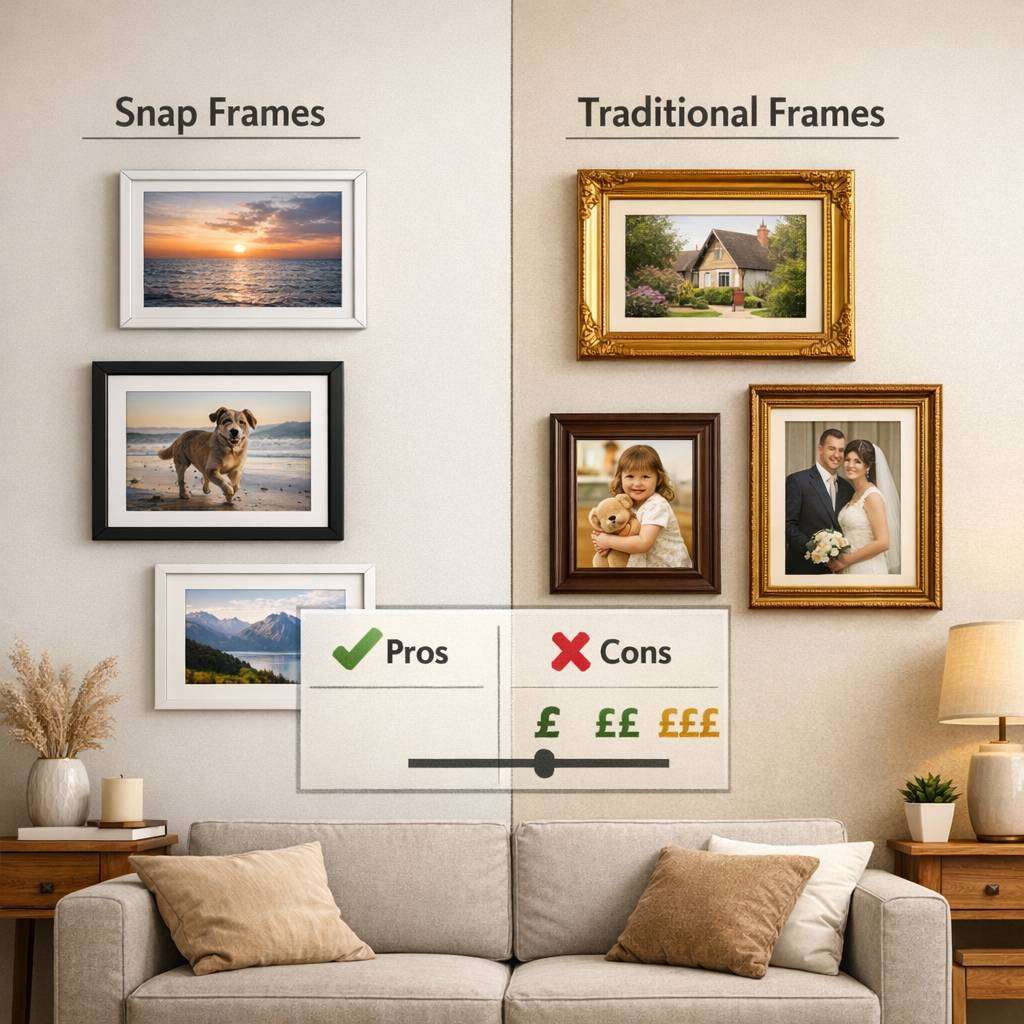
As an expert in display solutions, I’ve spent considerable time analysing how different framing systems perform in real-world settings. When choosing between snap frames and traditional frames, businesses, galleries, schools, and home users weigh factors such as ease of use, durability, appearance, and total cost of ownership. This article provides an educational comparison to help you make an informed decision.
Looking for versatile display options? Snap frames offer simple, elegant, ready-made solutions for showcasing memories, notices, and artworks. With their snap-in panels, changing images is quick and mess-free, ideal for homes, offices, galleries, and classrooms alike. For stylish, affordable presentation, explore a range that fits any space. snap frames bring professional polish to your walls, while keeping up with modern display needs and quick updates. Fresh designs, durable build, and easy mounting.
snap frames
Snap frames are a modern framing solution that relies on a lightweight aluminium profile and a front-opening lip, which allows posters or artwork to be changed quickly without tools. The key advantages of snap frames are speed, tidy presentation, and maintenance simplicity.
- Speed and convenience: With standard snap frames, you can swap content in seconds. The front cover snaps into place, and you don’t need to dismantle the frame or remove any screws. This makes them ideal for retail environments where promotions change weekly or even daily.
- Uniform appearance: Snap frames maintain a consistent, clean presentation. The uniform border and glass or polycarbonate front give a professional look that highlights the print rather than the frame.
- Lightweight and versatile: Most snap frames use aluminium surrounds that are strong yet light. They are easy to install on walls, columns, or freestanding stands, and many sizes accommodate standard poster dimensions.
- Cost considerations: While individual snap frames are affordable, the total cost of ownership depends on the size and the number of frames required. If you intend to refresh graphics frequently, snap frames can be cost-effective, as there is no need for custom framing or professional mounting each time you update content.
- Practical limitations: Snap frames are typically designed for flat posters and standard sizes. If you require a museum-grade presentation with archival backing, UV-protective glazing, or non-standard dimensions, you may encounter higher prices or limited options. Additionally, some users report that the frame’s border can be conspicuous for high-end displays where the artwork should be the sole focus.
- Durability and maintenance: Snap frames survive daily use well in public spaces. The glass or acrylic front can be scratch-resistant, and the quick-change mechanism reduces wear on mounting hardware. However, frequent swapping can introduce minor wear if the clips or edges become bent over time.
traditional frames
Traditional frames cover a broad spectrum, from standard wood or metal frames with glazing to more elaborate custom creations used in galleries and professional settings. They are valued for their heritage aesthetics, robustness, and the potential for archival presentation.
- Aesthetics and authenticity: Traditional frames allow for a wide range of finishes, mouldings, and matting. This makes them highly suitable for artwork where the frame itself contributes to the overall perception and value.
- Customisation: With traditional framing, you can specify exact dimensions, mat sizes, glazing options, and UV protection. This is essential for badly sized prints, photographs requiring conservation-grade materials, or works of art with long-term display goals.
- Durability and protection: Glass or acrylic glazing, combined with quality backing and framing, offers robust protection against accidental damage. Archival materials can help prevent deterioration over time.
- Costs: Custom framing can be expensive, especially for large formats or intricate matting. The labour-intensive process means higher upfront costs, but the result is durable and aesthetically bespoke.
- Changeover and practicality: Replacing a printed piece in a traditional frame often requires a professional framer or a careful DIY approach, particularly if the artwork is valuable or large. This makes frequent updates less convenient than snap frames.
- Weight and mounting: Traditional frames, especially with glazing, can be heavier. This may necessitate stronger wall fixings and may limit where they can be displayed, particularly in rental properties or in areas with sensitive walls.
costs
- Upfront costs: Snap frames generally have lower initial prices per frame compared to traditional frames, particularly for standard sizes. For a retailer installing multiple 24×36 inch displays, snap frames provide a budget-friendly option with straightforward installation.
- Ongoing costs: Regular content updates with snap frames incur minimal extra costs beyond new posters and occasional replacement hardware. Traditional framing, when used for changing artwork, often requires professional services at each update, increasing ongoing expenses.
- Longevity and wear: Traditional frames with proper archival materials can outlast lower-cost snap frames in terms of preserving originals, which may offset higher initial expenditure in the long run if you’re housing valuable items.
- Maintenance and replacements: Snap frames are typically easy to maintain and replace. If a frame or front cover gets damaged, you can source a replacement quickly. Traditional frames may require more careful handling and occasional professional conservation services, particularly for priceless pieces.
- Total cost of ownership: Consider not just purchase price but installation, maintenance, and replacement frequencies. For environments with frequent updates, snap frames often yield a lower total cost of ownership due to speed and ease. For high-value, long-term displays, traditional framing may be justified for its enhanced aesthetics and archival protections.
which should you choose?
- If you prioritise quick updates, high-volume changes, and a cost-effective solution for shop windows, corridors, or digital signage integration, snap frames are typically the superior choice.
- If your priority is a premium, custom appearance with maximum archival protection for valuable artworks or long-term exhibitions, traditional frames are worth the investment.
- Hybrid approaches are common: use snap frames for high-traffic areas where frequent changes occur, and reserve traditional framing for key pieces or formal displays where presentation is paramount.
In summary, snap frames and traditional frames each offer distinct advantages. Your decision should reflect how often content changes, the level of protection and aesthetics you require, and your budget for both initial setup and ongoing updates. By aligning your choice with the display goals of your space, you can optimise both visual impact and cost efficiency.

Leave a Reply